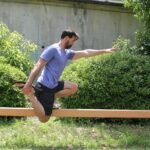
Gym memberships collect dust while daily tasks that build strength get outsourced or avoided. The anti-gym workout transforms mundane activities into effective strength training.
This approach eliminates the time excuse completely. Moreover, it develops functional strength that directly improves your actual life rather than just gym performance.
1. Why Gyms Aren’t Necessary
Human bodies evolved performing daily physical tasks, not isolated machine exercises. Functional movement patterns build strength that transfers to real life.
Additionally, gym workouts separate fitness from living. This artificial division makes exercise feel like obligation rather than natural activity.
Gym equipment isolates muscles unnaturally. Compound movements during daily tasks engage multiple muscle groups simultaneously like real-world activities require.
Research from the University of Copenhagen found that people who integrate strength-building into daily routines maintain muscle mass 28% better than those relying solely on gym sessions.
2. Understanding Functional Fitness
Functional fitness means strength for actual life activities. Carrying groceries, climbing stairs, moving furniture, and playing with kids all require real strength.
The anti-gym approach intentionally performs these activities with proper form and engagement. Mindful execution transforms chores into effective training.
Progressive overload applies to daily tasks too. Gradually increasing difficulty or duration builds strength just like adding gym weights does.
Integration beats separation. Fitness woven into daily life sustains better than scheduled workouts requiring motivation and time blocks.
3. Household Cleaning as Strength Training
Cleaning involves pushing, pulling, squatting, and carrying—fundamental movement patterns building comprehensive strength.
Vacuuming becomes a pushing exercise. Engage your core, maintain straight posture, and use full arm extension for maximum muscle engagement.
Mopping and sweeping work your shoulders and core. Add lunges while mopping to incorporate lower body training.
Scrubbing bathtubs or counters provides excellent upper body work. Focus on controlled movements rather than rushed efficiency.
Carrying laundry baskets up stairs builds leg and core strength. Hold baskets at chest level engaging more muscle groups.
| Household Task | Primary Muscles Worked | How to Maximize Benefit | Weekly Frequency |
|---|---|---|---|
| Vacuuming | Shoulders, arms, core | Full extension, engage core, vary directions | 2-3 times |
| Mopping | Core, shoulders, legs | Add lunges, maintain posture | 1-2 times |
| Carrying laundry | Legs, core, grip | Use stairs, chest-level carry | 3-4 times |
| Scrubbing surfaces | Arms, chest, core | Controlled movements, full range | 2-3 times |
| Making beds | Core, shoulders | Tuck sheets tightly, full reaches | 7 times |
Proper form during cleaning transforms routine chores into legitimate strength training sessions.
4. Grocery Shopping Strength Protocol
Shopping provides natural resistance training when approached strategically. Heavy bags and walking create excellent workout opportunities.
Park farther from store entrances. The extra walking adds cardiovascular work while carrying bags back provides strength training.
Carry bags rather than using carts when possible. Hand-carrying engages grip strength and arm muscles continuously.
Distribute weight evenly between hands. Balanced loads work both sides equally preventing muscular imbalances.
Use stairs instead of elevators when loading groceries into apartments. Stair climbing with weight builds serious leg strength.
Consequently, make multiple trips rather than carrying everything once. Additional rounds increase repetitions and training volume.
5. Gardening and Yard Work
Outdoor maintenance builds strength while producing tangible results. Gardening provides full-body workouts disguised as productivity.
Digging engages your entire posterior chain. Proper squatting and hip hinging during digging builds legs, back, and core strength.
Raking works shoulders, arms, and core muscles. Maintain good posture and use full-body rotation for maximum engagement.
Carrying soil bags, mulch, or plants provides functional strength training. Vary carrying positions working different muscle groups.
Pulling weeds builds grip strength and core stability. Squat properly rather than bending at the waist to engage legs.
6. Playing with Children
Active childcare provides intense functional training. Kids create unpredictable resistance requiring full-body strength and stability.
Carrying children works your entire body. Vary positions—front carry, hip carry, shoulder rides—for comprehensive muscle engagement.
Playing on playgrounds alongside kids provides bodyweight training. Climb structures, hang from bars, and crawl through tunnels.
Active floor play builds core strength. Wrestling, rolling, and playing on the ground engage stabilizing muscles continuously.
Chase games provide interval training. Sprinting after kids delivers cardiovascular work combined with explosive strength development.
7. Cooking as Strength Training
Food preparation involves repetitive movements and sustained positioning that build endurance and strength.
Chopping and stirring engage forearms and shoulders. Focus on controlled movements rather than rushed food prep.
Lifting pots and pans works biceps and shoulders. Use heavier cookware deliberately when possible.
Standing while cooking builds leg endurance. Maintain good posture rather than leaning against counters.
Kneading dough provides excellent forearm and hand strength work. This rhythmic activity builds grip strength naturally.
Opening jars and containers builds grip strength. Struggle slightly rather than immediately using openers.
8. Manual Transportation Methods
Walking, biking, and carrying items builds strength while accomplishing transportation needs. Eliminate unnecessary vehicle use for fitness benefits.
Walk for errands within one mile. Carry purchases in backpacks engaging core and distributing weight properly.
Bike for medium distances combining cardio with leg strength. Hills provide natural progressive overload.
Take stairs instead of elevators always. Stair climbing builds leg strength more effectively than most gym exercises.
Carry your own luggage rather than using wheels. Suitcase carries build functional strength for travel situations.
| Transportation Method | Fitness Benefits | Distance Range | Strength Focus |
|---|---|---|---|
| Walking with backpack | Core, legs, endurance | 0-3 miles | Core stability, leg endurance |
| Cycling | Legs, cardiovascular | 2-10 miles | Leg strength, cardio capacity |
| Stair climbing | Legs, cardiovascular | Any vertical distance | Leg power, endurance |
| Carrying luggage | Full body, grip | As needed | Functional strength |
Choosing manual transportation intentionally transforms necessary movement into effective training.
9. Furniture Moving and Rearranging
Moving heavy items develops serious strength. Regular furniture rearrangement provides periodic intensive training sessions.
Lift properly using legs rather than back. Furniture moving teaches safe lifting mechanics under real load.
Push heavy furniture rather than lifting when possible. Pushing engages legs, core, and chest muscles powerfully.
Carry items rather than dragging. Proper carries build comprehensive strength through full-body tension.
Rearrange seasonally for both aesthetic and fitness benefits. Quarterly furniture moves provide intensive training variation.
10. Manual Versus Automated Tools
Choosing manual tools over powered equivalents adds strength training to maintenance tasks.
Use push mowers instead of powered ones. Manual mowing provides serious leg and upper body work.
Rake leaves rather than using blowers. Raking engages more muscle groups and provides better workout.
Hand-wash cars instead of using automatic washes. Scrubbing and reaching work your entire upper body.
Shovel snow manually when possible. Snow removal builds explosive power and endurance simultaneously.
However, balance efficiency with fitness goals. Some tasks genuinely require powered tools for safety or time management.
11. Adding Resistance to Daily Activities
Increase difficulty of routine tasks intentionally. Progressive overload principles apply to daily activities just like gym exercises.
Wear a weighted vest during household chores. Additional weight increases strength training effect of routine activities.
Hold awkward positions longer during tasks. Sustained muscle engagement builds endurance and strength.
Slow down movements deliberately. Controlled tempo increases time under tension improving strength gains.
Add extra steps or movements. Walking farther, reaching higher, or squatting deeper increases training stimulus.
12. Posture and Form During Daily Tasks
Proper mechanics transform passive activities into active training. Attention to form maximizes strength benefits while preventing injury.
Maintain neutral spine during all activities. Good posture engages core muscles continuously throughout tasks.
Engage muscles deliberately rather than moving mindlessly. Conscious activation increases training effect dramatically.
Breathe properly during exertion. Controlled breathing supports performance and prevents lightheadedness during heavy tasks.
Take breaks before form degrades. Poor mechanics under fatigue risks injury without providing training benefits.
13. Tracking Anti-Gym Fitness Progress
Measure improvement in daily task performance. Real-world strength shows in how easily you accomplish actual activities.
Notice if carrying groceries feels easier over time. Decreased difficulty indicates genuine strength gains.
Track how many flights of stairs you can climb without fatigue. Improved endurance reveals cardiovascular and muscular development.
Pay attention to whether you can handle heavier loads. Progressive capacity for household tasks proves functional strength growth.
Ask if daily activities leave you less exhausted. Improved recovery indicates enhanced fitness supporting your life.
14. Balancing Anti-Gym with Targeted Training
Some strength goals require specific training beyond daily activities. Supplemental work fills gaps that daily tasks don’t address.
Add bodyweight exercises targeting neglected muscles. Pull-ups, dips, or pistol squats develop strength daily tasks miss.
Include mobility work preventing imbalances. Stretching and movement practice ensure comprehensive fitness.
Consider brief dedicated sessions weekly. Twenty minutes of focused exercise complements hours of daily activity.
However, daily functional movement remains your foundation. Supplemental training enhances rather than replaces anti-gym approach.
15. Making Daily Strength Training Sustainable
Long-term success requires sustainable habits. The anti-gym approach works because it integrates into life rather than adding to it.
Choose to do tasks yourself rather than outsourcing. View chores as training opportunities rather than burdens to avoid.
Maintain good form even when tired. Consistent mechanics build strength safely over years.
Progress gradually without rushing. Sustainable strength development happens through consistent effort, not intensity spikes.
Celebrate functional fitness wins. Noticing improved daily life performance reinforces the approach’s value.
Building Strength Through Living
The anti-gym workout eliminates the artificial separation between fitness and life. Daily activities provide legitimate strength training when performed intentionally.
Audit your daily tasks this week. Identify five regular activities you can transform into strength training opportunities.
Focus on proper form during one household task today. Experience how mindful execution transforms mundane work into effective training.
Your life provides all the resistance training you need. Stop waiting for gym time and start building strength through living.