Traditional workouts require time blocks most people don’t have. Movement snacking delivers exercise benefits through dozens of 2-minute bursts scattered throughout your day.
This approach eliminates the “no time” excuse completely. Moreover, it prevents the metabolic damage that sitting causes even when you exercise formally.
1. Why Traditional Workouts Aren’t Enough
Exercising one hour daily doesn’t undo eight hours of sitting. Your body needs movement distribution throughout the day, not just concentrated bursts.
Additionally, long workouts require motivation, time, and energy simultaneously. Movement snacking needs only two minutes and works regardless of motivation levels.
Gym sessions also create all-or-nothing thinking. Missing a workout feels like complete failure while skipping one movement snack barely registers.
Research from the University of Texas found that eight 2-minute movement bursts throughout the day improved metabolism markers 23% more than one 16-minute session.
2. Understanding Movement Snacking
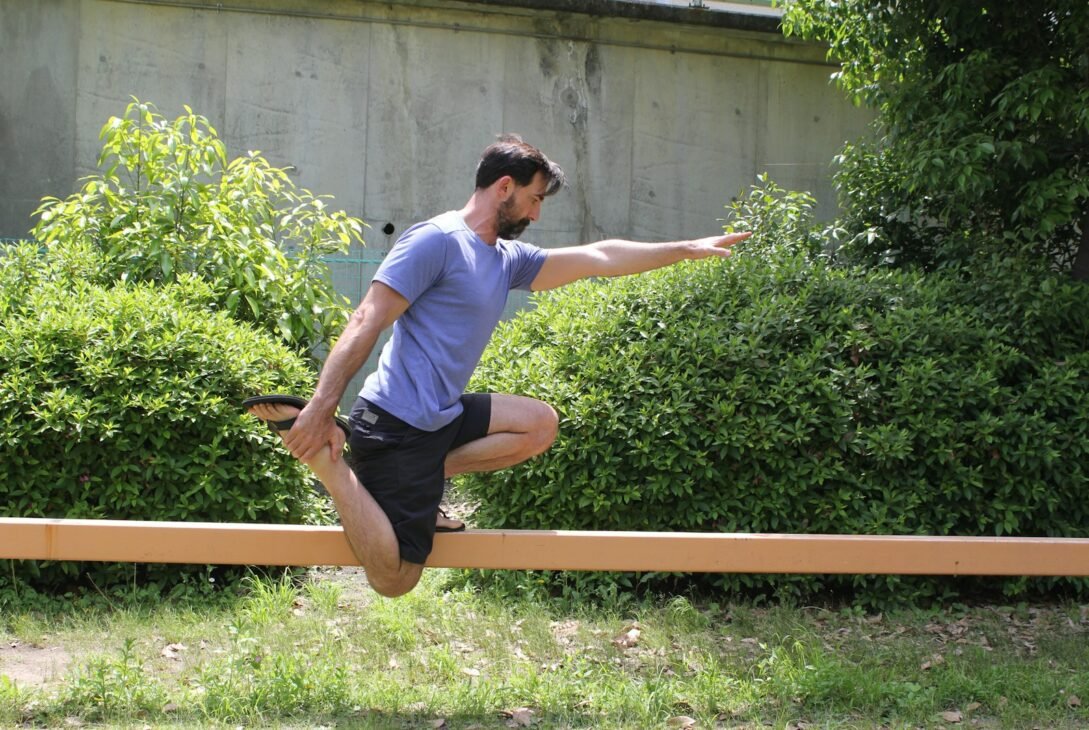
Movement snacking means brief exercise scattered throughout your day like healthy food snacks between meals. Each burst lasts 1-3 minutes maximum.
These aren’t intense workouts but intentional movement breaking up sedentary periods. The goal is frequency, not intensity or duration.
Any movement counts: squats, push-ups, stretches, walking, dancing, or simply standing. Variety prevents boredom while ensuring comprehensive body engagement.
The protocol works because small doses accumulate. Ten 2-minute snacks equal 20 minutes of exercise achieved without dedicated workout time.
3. Identifying Snacking Opportunities
Your day contains dozens of natural movement opportunities. Identifying these creates effortless snacking integration into existing routines.
Prime movement snacking moments:
- After bathroom breaks
- While coffee brews or tea steeps
- During phone calls or meetings
- Between work tasks or projects
- During commercial breaks or loading screens
- While waiting for files to download or emails to send
These transition moments already exist. Adding movement doesn’t require creating new time but utilizing existing gaps.
4. Building Your Movement Snack Menu
Create a list of 10-15 movements you can perform anywhere. This menu prevents decision paralysis when snacking moments arrive.
Include upper body, lower body, and core movements. Balanced snacking prevents overuse while ensuring comprehensive fitness development.
Some snacks require no equipment: squats, lunges, push-ups, planks, jumping jacks. Others use household items: chair dips, wall sits, stair climbing.
Rate each movement by difficulty. Easy snacks work when tired while challenging ones suit high-energy moments.
| Movement Snack | Body Area | Difficulty | Where It Works |
|---|---|---|---|
| Bodyweight squats (15 reps) | Lower body | Easy | Anywhere with standing room |
| Wall push-ups (20 reps) | Upper body | Easy | Any wall surface |
| High knees (30 seconds) | Cardio, legs | Medium | Private spaces |
| Plank hold (30-60 seconds) | Core | Medium | Floor space needed |
| Jumping jacks (30 reps) | Full body, cardio | Medium | Not office-appropriate |
| Stair climbing (2 flights) | Lower body, cardio | Easy-Medium | Stairs required |
| Desk push-ups (15 reps) | Upper body | Easy | Sturdy desk needed |
| Calf raises (25 reps) | Lower body | Easy | Standing room only |
This variety ensures appropriate snacks exist for every situation and energy level.
5. The Hourly Snacking Schedule
The simplest protocol schedules one movement snack per waking hour. This creates 12-16 snacks daily without requiring complex planning.
Set hourly phone alarms reminding you to snack. After one week, the pattern becomes automatic and alarms become unnecessary.
Perform different movements each hour. Rotation prevents fatigue while engaging your entire body throughout the day.
Allow yourself to skip or delay snacks occasionally. Flexibility prevents the system from feeling rigid or oppressive.
Consequently, front-load snacks during high-energy mornings if evenings are exhausted. Distribution matters more than perfect hourly precision.
6. Office-Appropriate Movement Snacks
Professional environments limit movement options. Office-appropriate snacks maintain decorum while delivering exercise benefits.
Desk push-ups using your desk edge look professional. These work upper body without requiring floor space or drawing attention.
Chair squats involve standing and sitting repeatedly. This movement appears like normal position changes rather than obvious exercise.
Calf raises under your desk provide leg work invisibly. Nobody notices when you’re seated at your workstation.
Walk to the furthest bathroom or water fountain. These functional trips double as movement snacks requiring no explanation.
7. Home-Based Movement Snacking
Home environments allow more vigorous and varied snacking. Use this freedom to include high-intensity options impossible at work.
Keep a pull-up bar or resistance bands near your workspace. These tools enable strength training during brief breaks.
Use household chores as movement snacks. Wiping counters, sweeping floors, or carrying laundry counts when done with intentional effort.
Include family members in movement snacks. Partner planks or kid-weight squats make exercise playful rather than solitary.
Consequently, dress comfortably at home enabling full-range movement. Restrictive clothing discourages snacking when it requires wardrobe changes.
8. Technology-Triggered Snacking
Modern technology creates perfect movement snacking triggers. Digital habits already happen frequently, making them ideal snacking anchors.
Snack every time you check social media. This creates positive associations while reducing mindless scrolling through movement interruption.
Perform movement snacks during every meeting you’re not speaking in. Muted video calls allow squats, stretches, or pacing.
Use loading screens and buffering as snack prompts. These frustrating moments become productive movement opportunities.
Set movement snacks as the “price” for certain activities. “I can watch this show after 10 squats” gamifies exercise.
9. Tracking Your Movement Snacks
Simple tracking maintains motivation and reveals patterns. Complex systems get abandoned while basic counting sustains long-term.
Use a small notebook or phone app marking each completed snack. Seeing daily totals provides satisfying progress feedback.
Aim for 10-15 snacks daily initially. This achievable target prevents overwhelm while delivering genuine fitness benefits.
Notice which snacks you complete most consistently. Double down on these while reconsidering movements you consistently skip.
Track energy levels throughout the day. Movement snacking should reduce afternoon crashes, not create additional fatigue.
| Week | Daily Average Snacks | Favorite Movement | Most Difficult Time | Energy Impact |
|---|---|---|---|---|
| 1 | 6 | Squats | 2-4pm | Slightly more alert |
| 2 | 9 | Desk push-ups | Mornings | Noticeable energy boost |
| 3 | 12 | Stair climbing | After lunch | Eliminated afternoon crash |
| 4 | 14 | Walking | None – now automatic | Consistently energized |
This progression shows realistic movement snacking development over the first month of practice.
10. Overcoming Movement Snacking Barriers
Common obstacles prevent consistent snacking. Anticipating these challenges helps you develop effective countermeasures.
Forgetting is the biggest barrier initially. Set multiple reminders until the habit becomes automatic through repetition.
Self-consciousness stops office snacking. Remember that brief movements appear less odd than you imagine, and colleagues rarely notice.
Fatigue makes snacking feel impossible. Start with gentle stretches or brief walks rather than abandoning snacking entirely.
Busy schedules create resistance. Two minutes always exists—you’re choosing other activities over movement currently.
11. Progressive Movement Snacking
As fitness improves, advance your snacking protocol. Progression prevents plateaus while maintaining the brief-burst format.
Increase repetitions rather than duration. Twenty squats instead of ten delivers more challenge within the same time frame.
Add resistance using household items. Hold books, water bottles, or bags during exercises for increased difficulty.
Include more challenging movement variations. Progress from regular push-ups to decline push-ups to one-arm push-ups gradually.
Combine movements into mini-circuits. Alternate squats and push-ups within your 2-minute window for compound benefits.
12. Movement Snacking for Specific Goals
Customize your snacking menu targeting specific fitness objectives. Different goals require different movement selections.
For fat loss, emphasize higher-intensity movements. Burpees, jumping jacks, and high knees create greater caloric burn.
For strength building, focus on progressive resistance movements. Push-ups, squats, and core work build muscle when performed regularly.
For flexibility improvement, prioritize stretching snacks. Hip openers, shoulder stretches, and spinal twists maintain mobility throughout the day.
For posture correction, include movements counteracting sitting positions. Chest openers, hip flexor stretches, and back extensions reverse desk-work damage.
13. Social Movement Snacking
Shared movement snacking builds accountability while making exercise social. This approach works for families, roommates, or coworkers.
Create a group challenge tracking collective snacks. Competition and community both increase participation rates.
Schedule synchronized snacking times. Knowing others are moving simultaneously creates connection even when physically apart.
Share favorite movements and creative variations. Learning from each other prevents boredom and expands movement repertoires.
Celebrate milestones together. Reaching 100 collective snacks in a week deserves acknowledgment and reinforcement.
14. Measuring Movement Snacking Success
Successful movement snacking changes how your body feels daily. Several indicators reveal whether the practice delivers genuine benefits.
Notice if sitting for long periods feels uncomfortable. This indicates your body now expects and wants regular movement.
Track whether afternoon energy crashes decrease. Movement snacking should stabilize energy throughout the day.
Pay attention to whether chronic aches reduce. Regular movement prevents the pain that extended sitting creates.
Ask if you feel stronger performing daily activities. Cumulative snacking builds functional fitness noticeable in regular life.
15. Sustaining Movement Snacking Long-Term
Movement snacking works as a permanent lifestyle rather than temporary program. Several strategies ensure long-term sustainability.
Vary movements seasonally preventing boredom. Summer might emphasize outdoor snacks while winter focuses on indoor options.
Link snacking to existing habits rather than relying on willpower. “After every bathroom break” works better than “when I remember.”
Allow imperfect weeks without guilt. Life happens—resume snacking when circumstances allow rather than abandoning entirely.
Continuously add new movements to your menu. Novelty maintains engagement over months and years of practice.
Implementing Your Movement Snacking Protocol
Movement snacking eliminates time-based exercise excuses while delivering superior health benefits. This approach works with your life rather than against it.
Start tomorrow with five movement snacks. Choose simple movements you can perform anywhere without equipment.
Set hourly reminders for the first week. These prompts establish the pattern until it becomes automatic behavior.
Your body doesn’t need hour-long workouts. It needs consistent movement distributed throughout every day you’re alive.