Visual design dominates home planning while scent gets ignored completely. Scent architecture treats fragrance as intentionally as paint colors or furniture placement.
This approach creates spaces that smell as good as they look. Moreover, strategic scent design influences mood and memory more powerfully than any visual element can.
1. Why Scent Matters More Than You Think
Smell connects directly to your brain’s emotional and memory centers. A room’s scent triggers instant emotional responses before conscious thought happens.
Research from Rockefeller University found that humans remember 35% of what they smell versus only 5% of what they see. Scent creates lasting impressions.
Additionally, scent influences perceived cleanliness dramatically. A visually spotless room with musty odor feels dirty while a cluttered room with fresh scent feels cleaner.
Most homes smell like random overlap—cleaning products mixing with cooking, laundry detergent bleeding into every room. Strategic scent design eliminates this chaos.
2. The Five Scent Zones
Divide your home into zones based on function and mood. Each zone needs different fragrance profiles that support how you use those spaces.
Essential home scent zones:
- Entry and hallways (welcoming, neutral scents)
- Living and social spaces (warm, inviting fragrances)
- Bedrooms (calming, sleep-promoting scents)
- Bathrooms (clean, fresh, spa-like aromas)
- Kitchen and dining (subtle, food-compatible scents)
Transitioning between zones should feel intentional, not jarring. Adjacent zones need complementary rather than clashing fragrances.
3. Choosing Base Scents for Each Zone
Base scents form the foundation of each zone’s fragrance profile. These should be subtle enough for daily presence without causing olfactory fatigue.
Entry zones work best with citrus or light florals. These smell universally welcoming without being overwhelming to arriving guests.
Living spaces benefit from woody or amber scents. Cedar, sandalwood, or vanilla create warmth without dominating conversation or food smells.
Bedrooms need lavender, chamomile, or other proven sleep aids. Research from Wesleyan University found lavender scent increases deep sleep time by 20%.
Bathrooms should smell clean and spa-like. Eucalyptus, mint, or sea breeze scents suggest freshness and cleanliness immediately upon entering.
4. Scent Delivery Systems by Zone
Different spaces need different scent delivery methods. High-traffic areas require stronger, longer-lasting systems while bedrooms need gentle, controllable options.
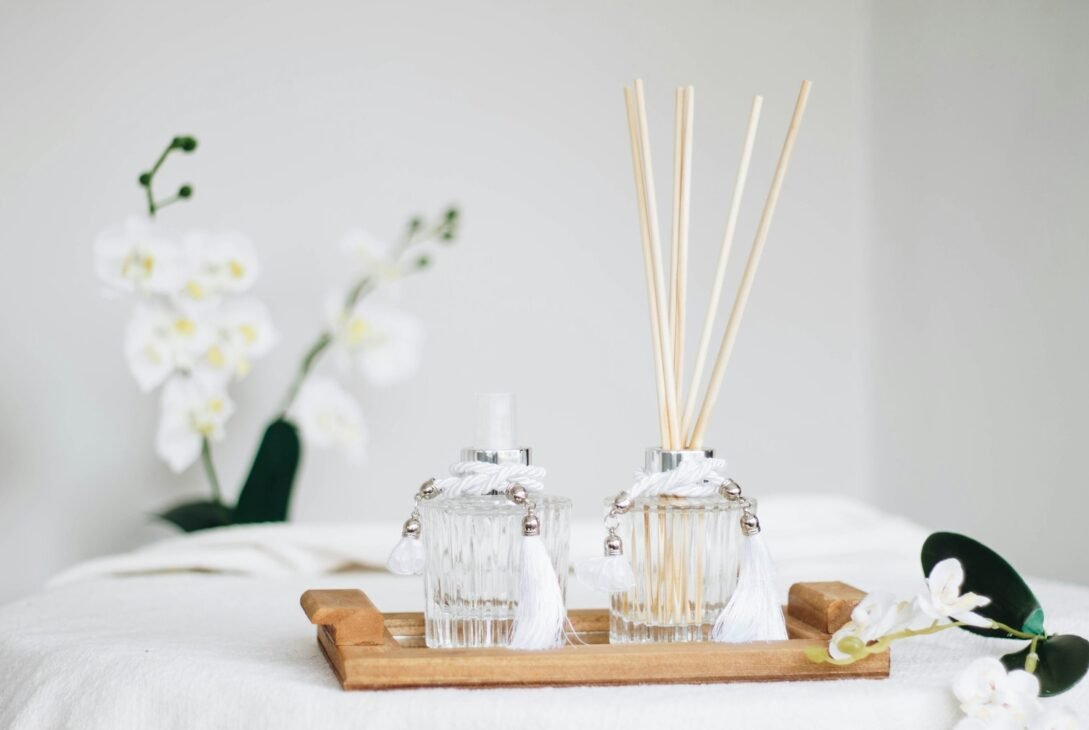
Reed diffusers work perfectly for consistent background scent in living areas. They require no electricity and last 2-3 months with proper placement.
Plugin diffusers with timers suit bedrooms excellently. Program them to activate before bedtime and shut off after you’re asleep.
Consequently, candles work well for occasional mood setting but shouldn’t be your primary scent strategy. They require active management and create fire risk.
| Delivery Method | Best For | Duration | Cost Per Month |
|---|---|---|---|
| Reed diffusers | Living rooms, entries, offices | 60-90 days | $8-15 |
| Plugin diffusers | Bedrooms, bathrooms | 30-45 days | $12-20 |
| Wax warmers | Social spaces, special occasions | 8-12 hours per cube | $15-25 |
| Essential oil diffusers | Bedrooms, meditation spaces | 4-8 hours per fill | $10-18 |
Mixing methods across zones creates varied experiences while maintaining cohesive overall scent architecture throughout your home.
5. Creating Scent Transitions
Abrupt scent changes between rooms feel jarring and uncomfortable. Plan intentional transitions that guide people through your home’s fragrance journey.
Hallways serve as scent buffer zones. Use very light neutral scents here that bridge stronger fragrances in adjacent rooms.
Alternatively, let hallways remain unscented completely. This palette cleanser between zones prevents scent clash and olfactory confusion.
Test transitions by walking through your home as a visitor would. Notice where scent combinations clash or one fragrance overwhelms another nearby.
6. Seasonal Scent Rotation
Your home’s scent architecture should change with seasons just like your decor does. Fresh scents for spring, bright scents for summer, warm for fall, cozy for winter.
Create a seasonal scent calendar noting what goes where and when. This prevents forgetting to update fragrances until you’ve lived with stale winter scents through May.
Store off-season scent products in a labeled box. Rotation becomes simple when everything’s organized and ready for the next seasonal transition.
Furthermore, seasonal changes keep your home smelling fresh to regular visitors. They notice and appreciate the thoughtful evolution even if unconsciously.
7. Avoiding Common Scent Mistakes
The biggest error is over-scenting spaces. If you notice your home’s fragrance upon entry, it’s too strong for comfortable daily living.
Another mistake is competing scents in open floor plans. Kitchen cooking smells fighting living room diffusers creates olfactory chaos for everyone.
Additionally, people forget about product scent interaction. Strong laundry detergent fragrance leaking from utility rooms overwhelms carefully planned scent zones nearby.
Finally, ignoring individual sensitivity causes problems. One person’s pleasant fragrance is another’s migraine trigger, so choose carefully with all occupants considered.
8. The Scent Testing Process
Never commit to a fragrance for a zone without testing it first. Live with sample sizes for 2-3 days before buying full-size products.
Test during different times of day. Morning scent perception differs from evening, and some fragrances smell different when you’re tired versus alert.
Get feedback from all household members. What smells amazing to you might nauseate your partner or trigger your kid’s allergies.
Return or rehome products that don’t work. Forcing yourself to use fragrances you dislike defeats the entire purpose of scent architecture.
9. Natural vs Synthetic Fragrances
Essential oils provide natural scents but cost significantly more than synthetic fragrance oils. Both have legitimate roles in scent architecture.
Natural oils work beautifully in bedrooms and spaces where you seek therapeutic benefits. Lavender for sleep, peppermint for focus, eucalyptus for breathing clarity.
Synthetic fragrances excel in high-traffic zones needing stronger, longer-lasting scent. They also offer wider variety than naturally occurring essential oils provide.
| Fragrance Type | Pros | Cons | Best Use |
|---|---|---|---|
| Essential oils | Natural, therapeutic properties, no chemicals | Expensive, shorter-lasting, limited variety | Bedrooms, wellness spaces |
| Synthetic fragrances | Affordable, long-lasting, huge variety | May trigger sensitivities, less “natural” feel | Living areas, entries, hallways |
| Blended products | Balanced cost and benefits | Quality varies widely by brand | Bathrooms, multi-purpose rooms |
Most successful scent architecture combines both types strategically. Use what works best for each specific zone rather than dogmatically choosing one approach.
10. Maintaining Your Scent Architecture
Scent systems need regular maintenance to stay effective. Reed diffusers need flipping weekly, plugins need refills monthly, diffusers need cleaning regularly.
Create a home maintenance checklist including scent system upkeep. This prevents fragrance gaps when products run empty unexpectedly.
Clean scent delivery devices between fragrance changes. Residual scent from previous products muddles new fragrances and creates unintentional scent combinations.
Additionally, refresh scent-absorbing items quarterly. Carpets, curtains, and upholstery hold old fragrances that interfere with your intentional scent architecture over time.
11. Budget-Friendly Scent Solutions
Effective scent architecture doesn’t require expensive luxury fragrances. Smart strategic choices deliver excellent results on modest budgets.
DIY reed diffusers cost under $10 to make. Buy carrier oil, essential oils, and reeds separately rather than overpriced pre-made versions.
Simmer pots with citrus peels, herbs, and spices create amazing natural fragrances. This costs pennies and fills your home with genuine, complex scents.
Furthermore, strategic cleaning product choices contribute to scent architecture. Choosing specific scents for different areas adds fragrance layers while you clean anyway.
Designing Your Home’s Scent Experience
Scent architecture transforms houses into homes that engage all senses, not just sight. Strategic fragrance design creates emotional resonance that pure visual aesthetics cannot.
Start by mapping your current scent situation honestly. Walk through noting what you smell in each space and whether it’s intentional or accidental.
Choose one zone to perfect first. Master bedroom scent architecture often delivers the most immediate quality-of-life improvement for minimal investment.
Your home should smell as intentional as it looks. Scent architecture makes that goal achievable for anyone, regardless of design budget.