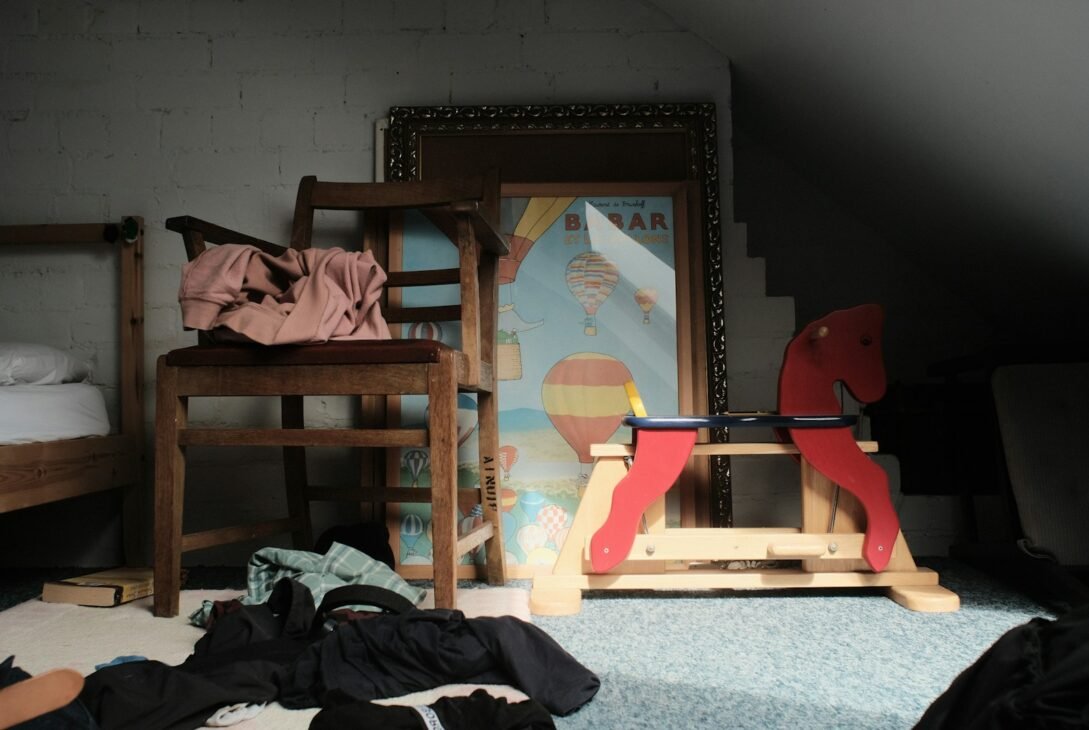
Fighting mess everywhere exhausts you while achieving nothing. Zones of chaos contain disorder intentionally, protecting the rest of your home from entropy.
This counterintuitive approach acknowledges that some mess is inevitable. Moreover, it channels chaos into specific areas rather than battling it constantly across your entire home.
1. Why Total Tidiness Fails
Demanding perfect order throughout your home creates constant stress and frequent failure. Life generates mess naturally through normal activities and creative pursuits.
Additionally, different family members have different tidiness thresholds. What feels comfortably lived-in to one person looks disastrous to another.
Rigorous whole-home tidiness requires unsustainable effort. The moment you stop vigilantly maintaining order, chaos spreads rapidly across all spaces.
Research from Princeton University found that cluttered environments increase cortisol levels by 31% compared to organized spaces. Strategic chaos zones prevent this stress.
2. What Qualifies as a Chaos Zone
Chaos zones are designated spaces where mess is explicitly allowed and expected. These aren’t dumps but intentional containers for specific types of disorder.
The key is boundaries. A chaos zone has clear physical limits that prevent mess from spreading into adjacent clean areas.
These zones need regular reset schedules. Allowing unlimited accumulation eventually creates unusable spaces rather than functional messy areas.
Think of chaos zones as pressure release valves. They absorb daily disorder that would otherwise seep into every room constantly.
3. Identifying Where Chaos Happens Naturally
Map where mess accumulates despite your best efforts. These natural chaos points reveal where your home needs designated disorder zones.
Entryways collect shoes, bags, coats, and mail inevitably. Fighting this natural accumulation wastes energy better spent elsewhere.
Kitchen counters gather ongoing projects, paperwork, and random items constantly. This happens because kitchens serve as household command centers naturally.
Bedrooms accumulate clothing between clean and dirty states. That chair covered in “not quite dirty” clothes exists in every home globally.
4. Designing Your First Chaos Zone
Start with one high-traffic area generating constant mess. Transform it from a source of guilt into an intentional functional chaos zone.
Define clear physical boundaries using furniture, rugs, or flooring changes. The chaos zone should be obvious visually to all household members.
Include appropriate storage within the zone—bins, hooks, shelves—that organize chaos somewhat. Even messy spaces benefit from basic containment structures.
Set a maximum capacity rule. When the chaos zone reaches 80% full, it’s time for a 15-minute reset before adding more.
| Chaos Zone Location | What It Contains | Boundary Method | Reset Frequency |
|---|---|---|---|
| Entry mudroom | Shoes, coats, bags, sports equipment | Tile flooring, built-in bench | Weekly |
| Kitchen counter section | Mail, keys, ongoing projects | Different counter material, tray | Daily |
| Bedroom chair/corner | Worn-once clothing, accessories | Specific furniture piece | Every 3 days |
| Craft/hobby area | Active projects, supplies | Desk or table, room section | After each project |
| Kids’ play zone | Toys, books, ongoing activities | Rug, low shelving | Nightly |
These boundaries make chaos zones functional rather than simply excusing mess everywhere indefinitely.
5. The Entry Chaos Zone
Entryways naturally become chaos zones whether you plan them or not. Intentional design channels this chaos productively instead of fighting it uselessly.
Install hooks, cubbies, and benches specifically designed to hold the chaos that arrives daily. Each family member gets designated space for their accumulation.
Use a large tray or basket for mail, keys, and small items. This contains randomness while keeping everything accessible and findable.
The entry chaos zone should accommodate daily mess but reset quickly. A 5-minute tidy before guests arrive should restore presentable order.
6. Kitchen Chaos Stations
Kitchens serve multiple functions simultaneously, generating inevitable mess from all directions. Fighting this creates daily frustration for everyone involved.
Designate one counter section as the chaos station. This holds ongoing projects, school paperwork, mail needing attention, and random accumulation throughout the day.
Use tiered trays or organizers that maintain some structure within the chaos. Complete disorder becomes unusable, but loose organization stays functional.
Reset the kitchen chaos zone nightly during normal dinner cleanup. This prevents overwhelming accumulation while maintaining the space’s usefulness daily.
7. Bedroom Clothing Transition Zones
Everyone has clothing that’s been worn but isn’t dirty enough for laundry. This liminal state creates bedroom chaos universally.
Install a valet stand, hooks, or designated chair specifically for transition clothing. Stop pretending this won’t happen and plan for it instead.
The chaos clothing zone should hold 3-4 outfits maximum. Beyond that capacity, items must go to laundry or back to closets.
Additionally, place this zone away from sleeping areas. Even designated chaos shouldn’t visually dominate the room where you’re trying to rest.
8. Kids’ Controlled Chaos Areas
Children generate mess exponentially faster than adults. Chaos zones for kids prevent their disorder from consuming your entire home.
Define clear play zones with obvious boundaries. Rugs, tape lines, or different flooring all work to establish where toys belong and where they don’t.
Within the kids’ chaos zone, provide organizational tools they’ll actually use. Bins with pictures, open shelving, and labeled boxes all help somewhat.
Enforce strict boundaries about chaos staying within its designated zone. Toys migrating throughout the house indicates boundaries aren’t clear or enforced enough.
9. Creative Work Chaos Zones
Hobbies, crafts, and creative projects generate substantial productive mess. Trying to maintain tidiness during active creation kills creative flow entirely.
Dedicate a table, desk, or room corner to active projects. This space explicitly allows mid-project mess without requiring constant cleanup between sessions.
The creative chaos zone needs a “project parking” system. When you pause a project, everything stays visible and accessible rather than getting packed away.
However, set a project limit for the chaos zone. Three active projects maximum prevents the space from becoming unusable clutter rather than functional mess.
10. Setting Chaos Zone Rules
Chaos zones need clear rules that everyone understands and follows. Without guidelines, they become excuses for unlimited mess rather than strategic containment.
Essential chaos zone rules:
- Chaos stays within designated boundaries
- Food and trash don’t belong in chaos zones
- Weekly mandatory resets clear accumulated excess
- Chaos zones don’t excuse neglecting the rest of the home
- Valuable or important items need permanent homes, not chaos zones
Post these rules visibly near chaos zones. Regular reminders keep everyone aligned on purpose and boundaries.
11. Measuring Chaos Zone Success
Successful chaos zones reduce overall home stress without creating unusable spaces. They should feel liberating, not like giving up on cleanliness entirely.
Track how often mess spreads beyond chaos zone boundaries. Frequent overflow indicates zones need expansion or stricter boundary enforcement.
Notice whether previously messy areas stay cleaner consistently. Chaos zones working properly should protect designated clean areas effectively.
Ask family members if they feel less nagged about tidiness. Chaos zones should reduce household conflict about mess rather than enabling more arguments.
| Success Indicator | What It Means | How to Measure |
|---|---|---|
| Contained mess | Chaos stays in zones | Visual boundary checks |
| Cleaner home overall | Protected areas stay tidy | Weekly home walkthrough |
| Reduced stress | Less nagging about mess | Family feedback |
| Quick resets | Zones clear in under 15 minutes | Time each reset |
| Sustainable maintenance | System continues long-term | Check after 3 months |
These metrics reveal whether your chaos zones actually solve problems or just excuse avoiding solutions.
Implementing Strategic Chaos
Creating zones of chaos acknowledges reality rather than fighting impossible battles. Some mess will always exist—channeling it strategically protects your sanity and home.
Start with your highest-mess area this weekend. Define clear boundaries, add appropriate storage, and explain the concept to family members.
Give the system three weeks before judging effectiveness. New habits take time to establish, and chaos zones require behavior adjustment from everyone.
Your home doesn’t need perfection everywhere. Rather, it needs strategic order where it matters most and contained chaos where it happens naturally.